Mining news
What Washington is actually doing, and when it bites
Federal policy on mining and minerals, one instrument at a time. Each piece takes a single executive order, proclamation, Federal Register notice or permitting decision, says what it does and what date it does it on, and links the primary source so you can check the reading. No predictions, no anonymous sources, and where the record stops, we say so.
Nothing matches that.
 22OCT 2026Briefing graphic supplied — illustrative, not a photograph of the facility namedWashington just took equity in a quartz purification plant — through the chips programme, not a minerals one.On 22 October 2026 the Commerce Department signed letters of intent worth up to $389 million, and one of the four went to purification: up to $56 million to Sibelco for ultra-high-purity quartz. The government takes a stake in each company in return. It is the clearest federal money yet for a refining step — and it came out of the CHIPS Act.Read it →
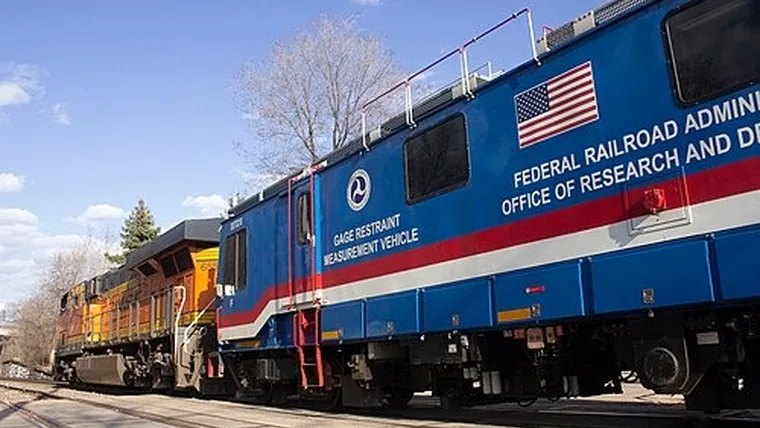 22OCT 2026Photograph supplied — FRA research vehicle, not the Alaska route$249 million of federal rail, running to a refinery that has not been built yet.The Federal Railroad Administration awarded $249 million on 19 October 2026 to finish a 32-mile rail link to Port MacKenzie, Alaska. At the end of that line a company plans an antimony processing and refining hub. The rail is funded and real; the refinery is a plan, and the difference matters.Read it →
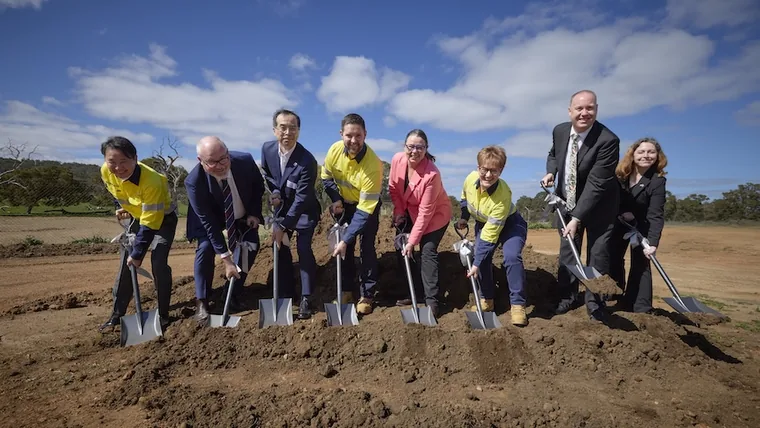 20OCT 2026Photograph suppliedA year of the Australia minerals pact: billions committed, and the refineries are being built in Australia.The US–Australia critical minerals framework is a year old. It has moved real money — more than A$5 billion announced for Australian projects, a gallium plant under construction, a rare earths mine in the ground. Every one of those plants is on the other side of the Pacific.Read it →
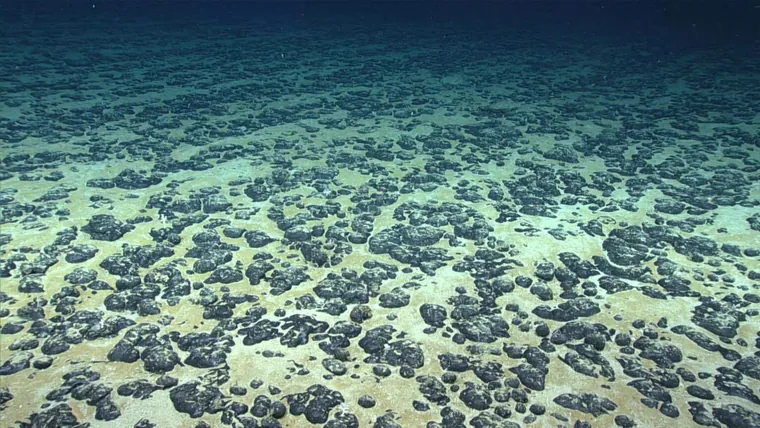 20OCT 2026Photograph suppliedAmerica is about to lease millions of acres of seabed. Nothing in the record says where the metal gets refined.Interior’s new Marine Minerals Administration issued the final leasing notice on 19 October 2026 for Lease Sale PACM‑1, the first US offshore minerals sale, to be held on 19 November off American Samoa. The nodules on that seabed carry nickel, cobalt, copper and manganese — four metals the United States has almost no capacity to refine.Read it →
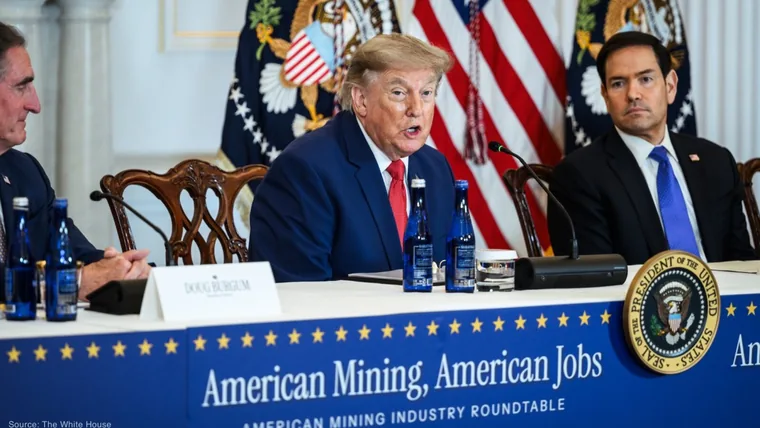 20OCT 2026Photograph: The White House — American Mining Industry RoundtableTwo billion dollars to power American mining. Here is the ledger, line by line.The White House announced more than $2 billion of federal money for mining and mining-related projects on 7 August 2026. Sorted by what each line actually builds, it pays for mines at one end and battery and magnet factories at the other. The step in between — the smelting and refining that turns ore into metal — gets nothing.Read it →
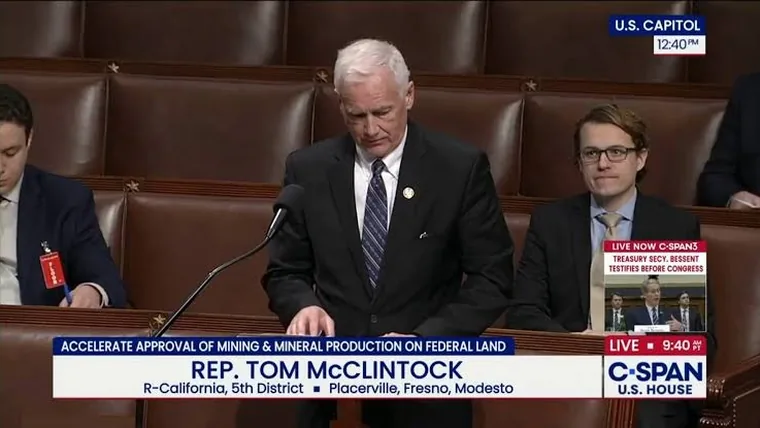 20OCT 2026Screenshot: C-SPAN coverage of the US House floorThe House is writing the mining orders into law. The furnaces are not in the bill.H.R. 4090, the Critical Mineral Dominance Act, passed the House 224–195 on 4 February 2026 and would put three of the president’s mining executive orders into statute. Read alongside the mill-site bill that passed in December, it shows what Congress means by mineral dominance — and what it still leaves out.Read it →
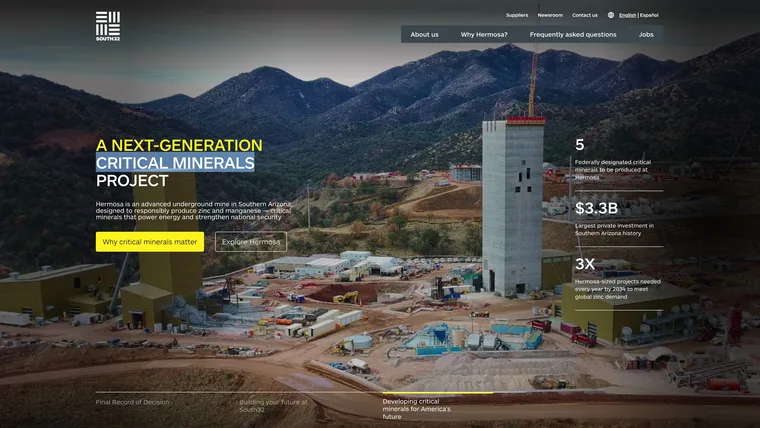 30SEP 2026Screenshot: South32 Hermosa project websiteA mine finished its federal permitting. It is the first one to finish under FAST‑41.South32’s Hermosa project in southern Arizona completed federal environmental review and permitting on 2 September 2026 — the first mining project covered by FAST‑41 to get all the way through. It would also be the first American source of manganese ore in more than fifty years.Read it →
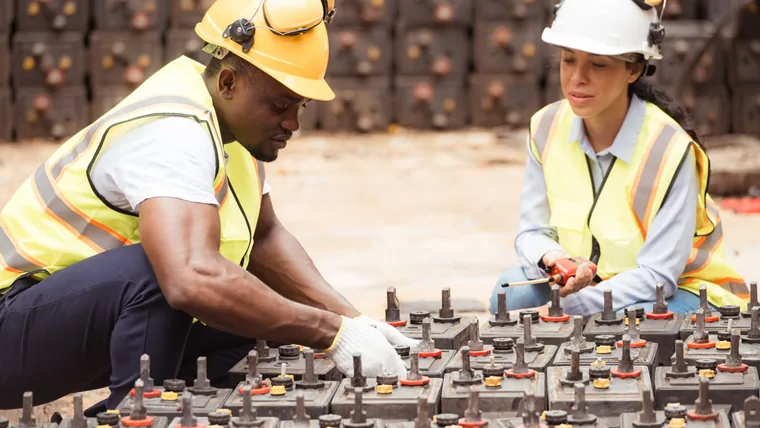 30SEP 2026Battery scrap and tungsten scrap now have to stay in the countryA Defense Production Act determination signed on 30 July 2026, and the Commerce order that followed it, require American sellers of black mass and tungsten scrap to allocate all of it to American buyers. The material cannot leave the country without a licence.Read it →
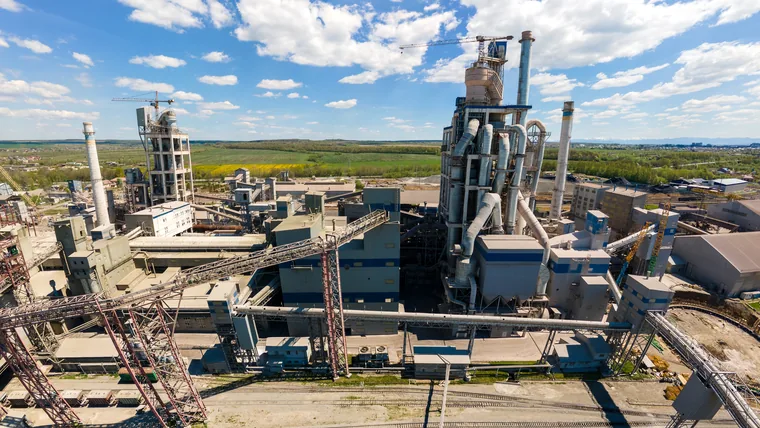 30SEP 2026From January, the Pentagon mostly stops accepting “we couldn’t get it here”Executive Order 14415 closes the waiver that let defence contractors buy foreign magnets, tungsten powder, tantalum and molybdenum. Every covered material on that list is a processed product, not a rock — which is precisely where American capacity is thinnest.Read it →
 30SEP 2026The Pentagon has become the buyer of first resort — and it is shopping in the middle of the chainA billion dollars of minerals bought straight into the national stockpile, and a February 2026 call for projects across thirteen minerals that asks explicitly for separation, refining, alloying and recycling. Not for more ore.Read it →
 30SEP 2026The tariff that wasn’t: Washington is negotiating a floor under the price insteadA Section 232 investigation found that critical mineral imports threaten national security — and then the January 2026 proclamation imposed no tariffs at all. What it ordered instead was negotiations aimed at price floors. For an industry that lost sixteen smelters to a price collapse, that is the more interesting instrument.Read it →
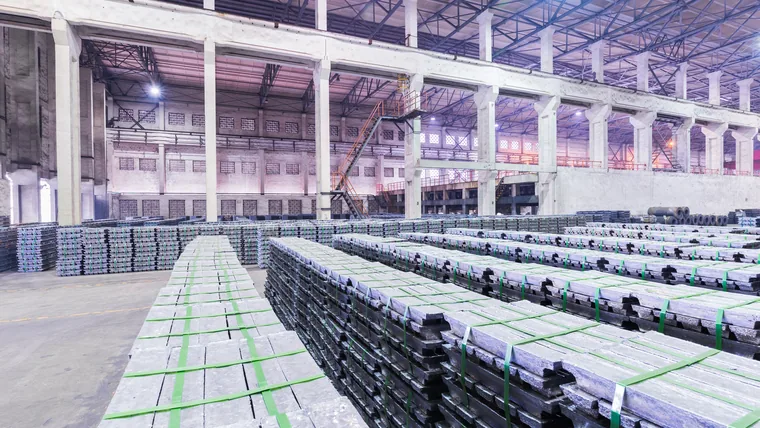 30SEP 2026The defence sourcing rules stop asking where the metal was melted and start asking where it was minedThe FY2026 National Defense Authorization Act adds molybdenum to the restricted list, sets a date for gallium and germanium, names six Chinese battery makers — and from 1 January 2027 extends the rules back through refining and separation to the mine itself.Read it →
Corrections are wanted. If something here is wrong or has been overtaken, the Sources and method page explains how to say so.
Where to next
246 operations, 41 states
Every US mine, mill, smelter, refinery and separation plant we could verify — and the 92 that closed.
The argumentWhy the middle went missing
What the round trip costs, and the five levers that would bring processing home.
MethodHow this is checked
What is sourced, what is not claimed, and how to send a correction.